Uncover the Benefits of Making Use Of an Emulsifier in Food for Boosted Culinary Experiences
Emulsifiers are frequently forgotten yet important components in culinary methods. They promote the blending of disparate active ingredients, improving both flavor and texture. By making certain security, emulsifiers avoid the undesirable separation of combinations. Their flexibility covers numerous applications, from sauces to dressings. Understanding their feature can bring about considerable renovations in food high quality and presentation. What details advantages do emulsifiers supply that can transform daily meals into amazing cooking experiences?
Understanding Emulsifiers: What They Are and How They Work
Emulsifiers play a vital function in the food industry, serving as agents that facilitate the mixing of water and oil, 2 materials that usually do not blend. These compounds have both hydrophilic (water-attracting) and hydrophobic (oil-attracting) homes, enabling them to stabilize mixes by reducing the surface area tension in between the two phases. Common emulsifiers include lecithin, mono- and diglycerides, and specific proteins.
When included to food, emulsifiers develop a stable solution, avoiding splitting up and making sure a consistent appearance - Emulsifier In Food. They are essential in many applications, varying from salad dressings and mayo to ice cream and sauces. By keeping the stability of mixes, emulsifiers not just enhance the aesthetic allure of food yet additionally enhance mouthfeel and uniformity. Their capacity to support solutions makes them important in modern-day food formula, contributing considerably to the top quality and life span of various items
The Function of Emulsifiers in Flavor Enhancement
While frequently ignored, emulsifiers considerably add to taste enhancement in food. They play an important role in boosting the general preference experience by ensuring that taste substances are uniformly dispersed throughout a recipe. By maintaining emulsions, such as dressings or sauces, emulsifiers prevent the separation of oil and water, enabling flavors to combine together better. This consistent circulation not only intensifies the taste however additionally assures that each bite is continually delicious.
Additionally, emulsifiers can enhance the assumption of specific tastes, making them more noticable on the palate. They might connect with particular ingredients, aiding to release volatile flavor compounds that add to a recipe's aromatic account. The use of emulsifiers can substantially boost the culinary experience, changing straightforward recipes into facility and wonderful taste journeys. Their refined yet impactful role in flavor enhancement need to not be taken too lightly in the art of food preparation.
Emulsifiers and Appearance: Creating Creamy and Velvety Cuisines
The effect of emulsifiers extends past taste improvement to the domain of texture, where they are instrumental in creating creamy and creamy meals. By assisting in the uniform circulation of fats and water, emulsifiers make it possible for the formation of secure emulsions, causing an elegant mouthfeel. This is specifically noticeable in items like mayonnaise, sauces, and dressings, where a smooth, velvety consistency is wanted.
Emulsifiers such as lecithin and mono- and diglycerides work to minimize surface stress in between components, enabling a harmonious blend that enhances the click sensory experience. The creamy texture attained with emulsification can elevate dishes, making them extra satisfying and attractive. In addition, the ability to develop a velvety texture allows cooks to include numerous components without compromising consistency, resulting in innovative cooking developments. Essentially, emulsifiers play a necessary role in changing regular recipes into remarkable culinary experiences via appearance improvement.
Security Matters: How Emulsifiers Prevent Splitting Up
A vital aspect of culinary emulsifiers is their capacity to stop separation, ensuring that items maintain their intended structure and appearance gradually. Emulsifiers work by maintaining blends of oil and water, which normally often tend to divide due to distinctions in density and polarity. By reducing surface area tension at the oil-water user interface, emulsifiers assist in the development of stable solutions, permitting a consistent distribution of components.

Common Emulsifiers in Food Preparation and Their Applications
Understanding the numerous emulsifiers generally made use of in food preparation exposes their substantial duties in improving food structure and security. Lecithin, acquired from egg yolks or soybeans, is extensively used in mayo and salad dressings, giving a luscious uniformity. Mustard, additionally an emulsifier, aids in supporting vinaigrettes while conveying taste.
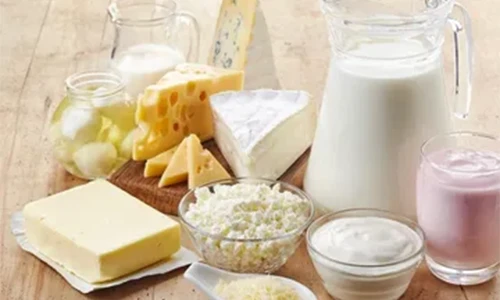

Another prominent emulsifier is xanthan periodontal, often made use of in gluten-free baking and sauces for its thickening properties. Guar periodontal offers a similar objective, improving the appearance of gelato and dairy products.
Mono- and diglycerides, typically found in refined foods, help improve shelf life and maintain structure. Lastly, casein, a milk protein, is made use of in cheese-making and luscious sauces, adding to a smooth mouthfeel. Each of these emulsifiers plays a vital role in cooking applications, ensuring preferable textures and protecting against splitting up in varied Visit This Link food.
Often Asked Questions
Are Emulsifiers Safe for Individuals With Food Allergies?
Emulsifiers can be safe for people with food allergic reactions, depending on the particular emulsifier used. It is important to recognize the source of the emulsifier, as some might cause allergies in sensitive individuals.
Exactly How Do Emulsifiers Impact the Nutritional Web Content of Food?
Emulsifiers can influence the nutritional content of food by improving vitamins and mineral absorption and enhancing appearance. Their visibility may additionally weaken particular nutrients, depending on the food matrix, potentially modifying general dietary value.
Can Emulsifiers Be Made Use Of in Vegan Food Preparation?
Emulsifiers can be successfully made use of in vegan cooking, giving structure and security to recipes. Plant-based emulsifiers like lecithin, stemmed from soy or sunflower, help mix components, improving Click This Link the overall top quality of vegan cooking creations.
What Are the Environmental Effects of Emulsifier Production?
The environmental impacts of emulsifier production typically include deforestation, water contamination, and high energy consumption. Additionally, some resources of emulsifiers can add to biodiversity loss, raising problems concerning sustainability in food production techniques.
Exactly How Do Emulsifiers Compare to Natural Thickeners in Cooking?
Emulsifiers offer smoother appearances and enhanced stability compared to natural thickeners, which can present distinct tastes - Emulsifier In Food. While emulsifiers enhance mouthfeel and look, natural thickeners give even more wellness benefits and can contribute to the dish's flavor profile
When included to food items, emulsifiers produce a stable emulsion, preventing separation and guaranteeing a consistent structure. While usually neglected, emulsifiers substantially contribute to taste improvement in food products. Recognizing the different emulsifiers commonly made use of in food preparation discloses their considerable functions in enhancing food structure and security. Emulsifiers can be safe for individuals with food allergic reactions, depending on the particular emulsifier made use of. Emulsifiers can influence the dietary web content of food by improving nutrition absorption and boosting structure.